


Environment
The Man and the Birds
Rodgers Oloo Magutha, 28, has become a local celebrity for rescuing and rehabilitating injured and orphaned wild birds in his one-room apartment in Nairobi.
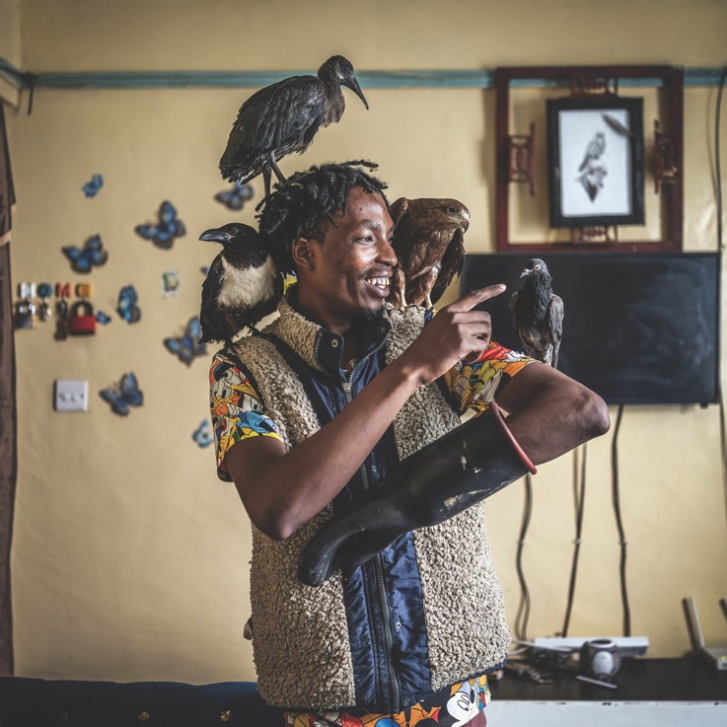
Rodgers Oloo Magutha, 28, has become a local celebrity for rescuing and rehabilitating injured and orphaned wild birds in his one-room apartment in Nairobi.
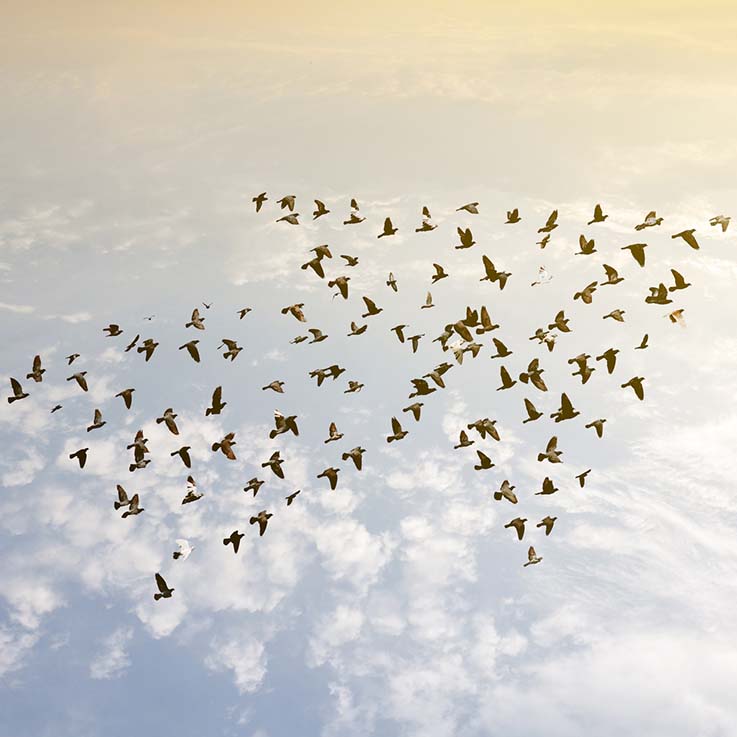
Five ways to engage philanthropists and advocates in early-stage or overlooked causes, such as intensive animal agriculture, that have outsized potential for impact.

We must turn to the nonhuman intelligence all around us to articulate a framework for ethical and regenerative life.
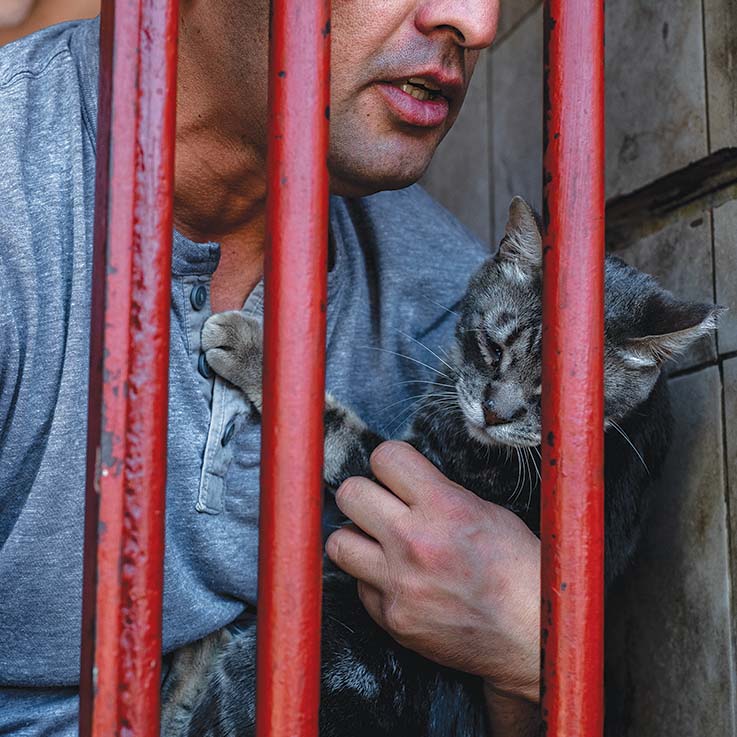

Charities can find better ways to communicate their spending priorities than a myopic focus on administrative costs displayed in simplistic pie charts.

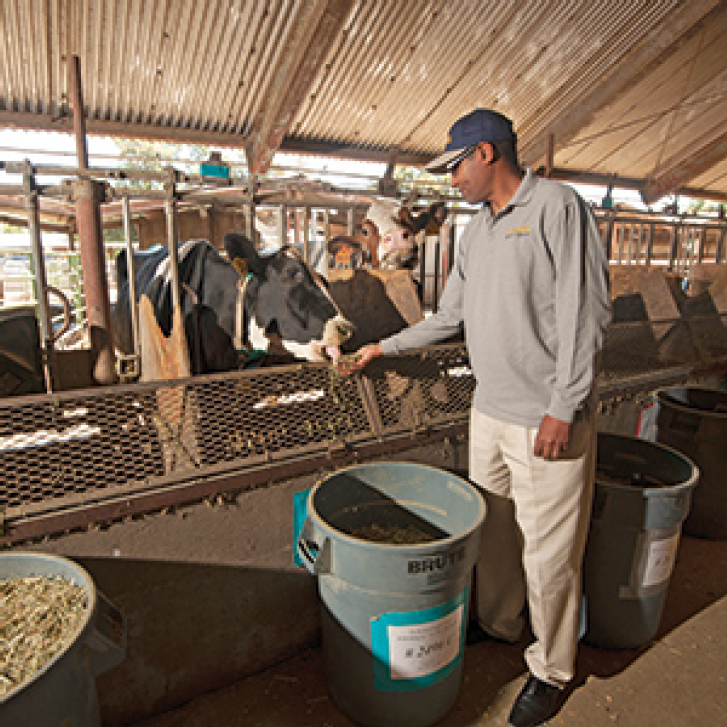
Research has found that the simple act of adding an unassuming seaweed called Asparagopsis taxiformis to cattle feed can lower the amount of methane that cows produce by a stunning 60 percent. A What's Next article from the Spring 2020 issue.

The Wildlife Friendly Enterprise Network makes a business case for protecting Asian elephants.

Meeting today’s growing conservation challenges requires that we find new ways of thinking about and practicing conservation, rooted in solving social problems through scalable methods and prototypes that deliver results.
Existing forests and diverse ecosystems are arguably the world’s most valuable resources. How can we make preserving them worth our while?

How World Wildlife Fund helped organize a global clarion call to stop wildlife crime.